
In today’s digital world, almost everything we do involves sharing information. We use websites to shop, apps to communicate, social media to connect with friends, and online services to manage our finances, work, and personal lives. Every time we use these services, some form of information may be collected about us. This is where data privacy becomes extremely important.
Data privacy is about how personal information is collected, stored, used, shared, and protected. It gives people more control over their information and helps ensure that organizations handle data responsibly. Whether you are an individual, a small business owner, or part of a large company, understanding data privacy is becoming more important than ever.
What Is Data Privacy?
Data privacy refers to the proper handling of personal information. Personal data can include obvious details such as your name, phone number, email address, home address, and date of birth. However, it can also include less obvious information, such as your location, browsing activity, online purchases, IP address, preferences, and information about how you interact with websites and applications.
The main goal of data privacy is to make sure that personal information is used fairly and responsibly. People should have a reasonable understanding of what information is being collected and why it is needed.
For example, when you create an account on a shopping website, the company may need your name, email address, shipping address, and payment information. Data privacy principles encourage the company to collect only the information it actually needs and protect that information from unauthorized access.
Why Is Data Privacy Important?
Data privacy matters because personal information has real value. If sensitive information falls into the wrong hands, it can potentially be used for identity theft, financial fraud, scams, harassment, or other harmful activities.
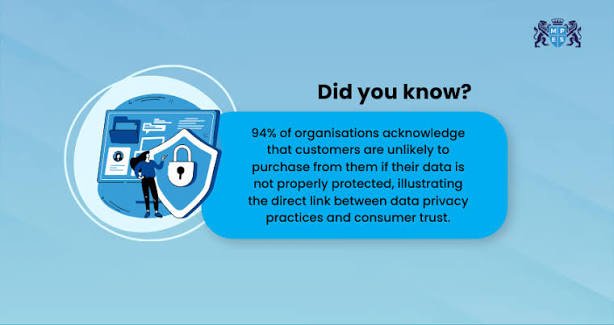
Privacy is also connected to trust. Customers are more likely to use a service when they believe a company will protect their information. On the other hand, a company that experiences a serious data breach can lose customer confidence and suffer financial and reputational damage.
Data privacy also gives individuals a greater sense of control. People should not feel that they have completely lost control of their personal information simply because they use digital services.
As technology continues to develop, organizations collect more information than ever. Artificial intelligence, mobile applications, cloud services, smart devices, and online advertising all contribute to the growing amount of data being processed every day. Strong privacy practices are therefore essential.
Common Types of Personal Data
Personal data comes in many different forms. Some information may seem harmless by itself, but it can become sensitive when combined with other details.
Common examples include:
- Full name and contact information
- Email addresses and phone numbers
- Home or workplace addresses
- Financial and payment information
- Online account credentials
- Location information
- Browsing and search history
- Photos and videos
- Device information
- Employment and educational records
- Biometric information
Some categories of information require additional care because misuse could cause significant harm. Organizations should understand the type of data they collect and apply appropriate security and privacy controls.
Data Privacy vs. Data Security
Data privacy and data security are closely related, but they are not exactly the same thing.
Data privacy focuses on how information should be collected and used. It deals with questions such as what information an organization should collect, why it needs the information, who can use it, and how long it should be kept.
Data security focuses more on protecting information from unauthorized access, loss, theft, or damage. Security measures can include encryption, strong passwords, access controls, firewalls, authentication systems, and security monitoring.
A simple way to understand the difference is this: privacy is about using data responsibly, while security is about protecting that data.
A company can have strong cybersecurity systems but still have poor privacy practices if it collects unnecessary information or uses customer data without appropriate transparency.
How Companies Collect Personal Information
Companies collect data in many ways. Some information is provided directly by customers, such as when someone creates an account, fills out a form, subscribes to a newsletter, or makes a purchase.
Other information can be collected automatically. Websites and applications may use cookies, analytics tools, device identifiers, and similar technologies to understand how users interact with their services.
Companies may also receive information from business partners or third-party service providers. Because data can move between different systems and organizations, businesses need to understand where information comes from and where it goes.
A clear privacy policy can help customers understand these practices. Ideally, it should explain what data is collected, how it is used, whether it is shared with third parties, and what choices users have.
Practical Ways to Protect Your Data Privacy
Protecting personal information is not only the responsibility of companies. Individuals can also take several simple steps to reduce privacy risks.
Use Strong and Unique Passwords
Avoid using the same password across multiple accounts. If one account is compromised, reused passwords can put other accounts at risk. Using a reputable password manager can make it easier to create and manage unique passwords.
Enable Multi-Factor Authentication
Multi-factor authentication adds another layer of protection to an account. Instead of relying only on a password, users may be required to provide a verification code, security key, or another form of authentication.
Be Careful About What You Share
Think before posting personal information online. Details about your home, workplace, travel plans, family, or daily routine can sometimes reveal more than you intended.
Review App Permissions
Many applications request access to your location, camera, microphone, contacts, or files. Check whether an app genuinely needs these permissions. If it does not, consider denying access.
Keep Software Updated
Software updates often include security improvements. Keeping your operating system, browser, applications, and devices updated can reduce exposure to known vulnerabilities.
Be Cautious With Suspicious Messages
Phishing attacks often try to trick people into revealing passwords, financial details, or other sensitive information. Be careful when clicking links in unexpected emails, text messages, or social media messages.
The Role of Businesses in Data Privacy
Businesses have an important responsibility when handling customer and employee information. Good privacy practices should be part of the organization’s overall approach to risk management.
Companies should know what personal information they collect and understand why they need it. They should avoid collecting unnecessary data and should establish appropriate retention policies so information is not stored indefinitely without a legitimate reason.
Access to sensitive information should also be limited. Employees should generally have access only to the data they need to perform their jobs.
Organizations should provide privacy training to employees and regularly review their processes. They should also have plans for responding to data incidents and communicating with affected individuals when appropriate.
Data Privacy Laws and Regulations
Governments around the world have introduced laws and regulations designed to protect personal information. These laws can differ depending on the country, state, industry, and type of data involved.
Some regulations give individuals rights concerning their personal information. Depending on the applicable law, these rights may include the ability to access personal data, request corrections, ask for deletion, or understand how information is being used.
For businesses, privacy compliance can be complex because an organization may serve customers in multiple regions with different legal requirements. Companies should therefore understand which rules apply to their operations and seek professional legal advice when necessary.
The Future of Data Privacy
The importance of data privacy is likely to increase as technology becomes more integrated into everyday life. Artificial intelligence and connected devices are creating new opportunities, but they also raise questions about how much information should be collected and how that information should be used.
Consumers are becoming more aware of privacy issues and are increasingly interested in knowing what happens to their information. Businesses that take privacy seriously can build stronger relationships with their customers and demonstrate that they value responsible data practices.
Privacy should not be viewed simply as a technical or legal requirement. It is also an important part of building trust in the digital economy.
Frequently Asked Questions About Data Privacy
1. What does data privacy mean?
Data privacy refers to the responsible collection, use, storage, sharing, and protection of personal information. It focuses on giving individuals greater control and transparency over how their information is handled.
2. Why is data privacy important?
Data privacy is important because personal information can be misused if it is exposed or handled improperly. Strong privacy practices can help reduce risks such as identity theft, fraud, unwanted tracking, and loss of trust.
3. What is the difference between data privacy and data security?
Data privacy is mainly concerned with how personal information is collected and used, while data security focuses on protecting information from unauthorized access, theft, loss, or damage. Both are important for responsible data management.
4. How can I improve my personal data privacy?
You can improve your data privacy by using unique passwords, enabling multi-factor authentication, reviewing app permissions, limiting the personal information you share online, keeping software updated, and being cautious with suspicious emails and messages.
5. Can businesses be responsible for protecting customer data?
Yes. Businesses that collect personal information have an important responsibility to handle it appropriately. They should understand what data they collect, explain how it is used, limit unnecessary access, protect it with suitable security measures, and follow applicable privacy laws and regulations.
Final Thoughts
Data privacy has become an essential part of modern digital life. Every day, individuals share personal information with websites, applications, businesses, and online platforms. Understanding how that information is collected and used can help people make better decisions about their digital lives.
At the same time, businesses need to treat personal information responsibly. Collecting only necessary data, being transparent about its use, limiting access, and implementing appropriate security measures can help reduce privacy risks.
The best approach to data privacy is proactive rather than reactive. By developing good habits and encouraging responsible data practices, both individuals and organizations can create a safer and more trustworthy digital environment.